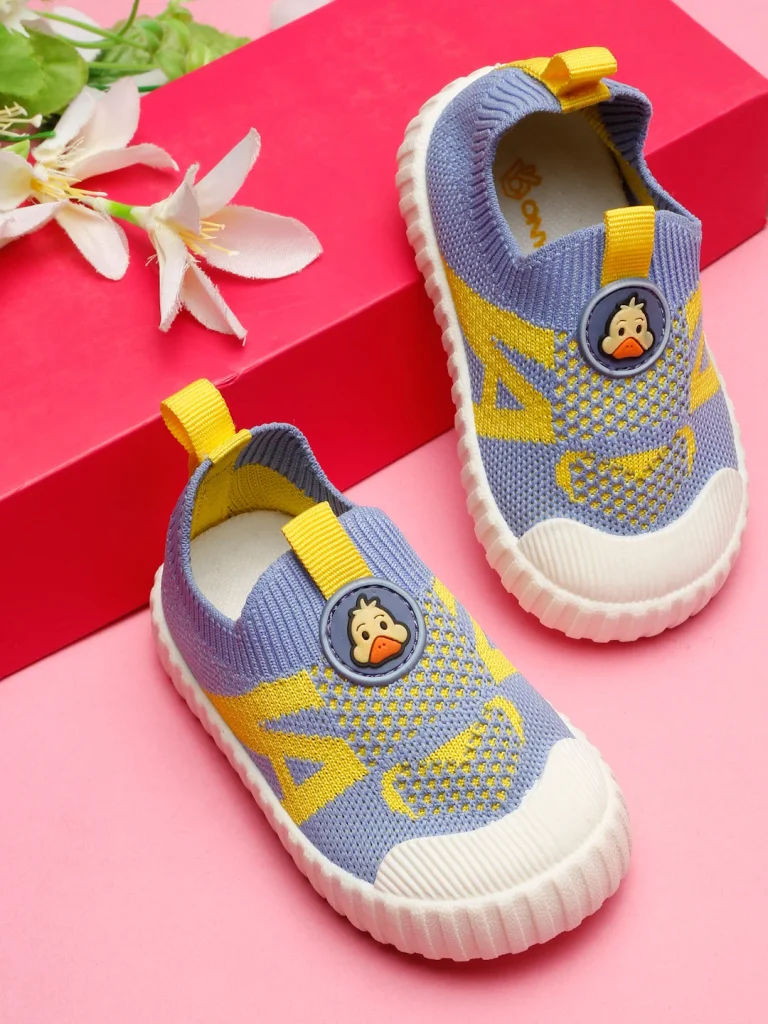
Choosing the right footwear for kids is an important part of taking care of their everyday comfort and active lifestyle. Children are constantly moving, playing, running, jumping, exploring, and learning, so their shoes need to do much more than simply look cute. The right pair of kids’ footwear should offer comfort, flexibility, support, durability, and a proper fit. Parents often have many questions when shopping for children’s shoes. Should they choose sneakers or sandals? Are school shoes suitable for everyday activities? Is it better to buy slightly bigger shoes so children can use them for longer? Which is the best kid footwear brand in India? What kind of shoes are suitable for toddlers and growing children? With so many designs and styles available today, selecting the right footwear can sometimes feel confusing. From school shoes and sports shoes to sandals, sneakers, casual shoes, and
comfortable slip-ons, every type has a different purpose. In this guide, we will discuss how to choose the right kids footwear, what type of footwear is best for children, popular considerations when selecting a kids’ footwear brand in India, and which shoes are most suitable for different activities. Why Is the Right Footwear Important for Kids
Children’s feet are continuously growing and changing. Because kids spend a large part of their day walking, running, playing, and participating in physical activities, comfortable footwear can make everyday movement easier. Shoes that are too tight may feel uncomfortable, while footwear that is too loose can make walking and running difficult. Poorly fitting shoes can also cause rubbing and pressure points. For this reason, parents should look beyond the color and design of children’s footwear. Although kids naturally love bright colors, fun prints, characters, and attractive designs, comfort should remain one of the most important factors. Good footwear should allow the child’s feet to move naturally while providing enough protection for everyday activities. The shoe should also be made from materials that are appropriate for the weather and intended use. Which Type of Footwear Is Best for Kids
There is no single type of footwear that is best for every child or every situation. The ideal choice depends on the child’s age, activity, weather, location, and occasion. However, several types of footwear are particularly useful for children.
Sneakers for Everyday Activities Sneakers are among the most versatile choices for children’s footwear. They can be worn for school activities, outdoor play, casual outings, travel, and everyday movement. A good pair of kids’ sneakers should be lightweight, flexible, and comfortable. Breathable materials can also be useful because children may spend several hours wearing them. Sneakers with secure closures are especially convenient for younger children. Velcro straps can make it easier for kids to put on and remove their shoes independently, while lace-up designs can be suitable for older children who know how to tie their shoelaces. For active children, sneakers are often one of the most practical footwear choices.
Sports Shoes for Active Kids Children who participate in sports or spend a lot of time playing outdoors may benefit from dedicated sports shoes. Sports footwear is designed for active movement and can be suitable for activities such as running, school sports, training, and outdoor games. When selecting sports shoes, parents should look for a comfortable fit, flexible construction, and a sole that suits the activity. Different sports may have different footwear requirements, so a shoe designed specifically for one activity may not always be ideal for another.
Sandals for Warm Weather Sandals are a practical option for hot weather, especially in India. They allow more airflow around the feet and can be comfortable for casual outdoor activities. For younger children, sandals with secure straps can be preferable to completely loose designs. Look for styles that hold the foot comfortably without creating pressure. Kids’ sandals are available in many designs, from simple everyday styles to colorful and decorative options. They can be paired with casual clothes, ethnic outfits, and summer wear.
School Shoes for Everyday School Wear School shoes are designed specifically for school uniforms and regular classroom activities. Depending on the school’s dress code, children may need black shoes, white shoes, or another specific style. A good school shoe should be comfortable enough for several hours of daily wear. Since children may walk between classrooms, participate in activities, and spend time outdoors, the shoe should not feel unnecessarily heavy or restrictive. Parents should also check the school’s footwear requirements before purchasing.
Slip-On Shoes for Convenience Slip-on shoes can be particularly convenient for children who are learning to dress independently. They eliminate the need for tying shoelaces and can make getting ready faster. They are suitable for casual outings and everyday use, provided they fit securely and do not slide around while walking. Slip-on sneakers are especially popular among older children because they combine convenience with a casual appearance.
Ethnic Footwear for Special Occasions Children also need footwear for weddings, festivals, family functions, and celebrations. Ethnic footwear such as traditional sandals, juttis, or decorative flats can complement Indian outfits. When choosing festive footwear, comfort should still be considered. Children may spend several hours attending functions, walking around, or playing with other kids, so overly stiff or uncomfortable footwear may not be practical. Choose a design that looks attractive while allowing the child to move comfortably. What Should Parents Look for in Kids’ Footwear Before buying children’s shoes, parents should consider several important factors. Proper Fit
Fit is one of the most important considerations. Children’s footwear should not be excessively tight or so loose that the foot moves around inside the shoe. It is useful to measure your child’s feet before purchasing new shoes, especially when buying online. Remember that children’s feet can grow quickly, so their shoe size should be checked periodically. Flexibility Children move in many different ways. Flexible footwear can allow natural movement and may be more comfortable during active play. Avoid choosing footwear solely because it looks stylish. A shoe that is extremely rigid may not be the best option for everyday activities.
Breathability Children’s feet can become warm and sweaty, particularly in hot weather. Breathable footwear can help improve comfort during long periods of wear. For India’s climate, parents may want to consider breathable sneakers, sandals, and lightweight materials depending on the season.
Lightweight Construction Heavy footwear can feel uncomfortable during long periods of walking and play. Lightweight shoes can make everyday movement easier for children. This is particularly important for younger children who are still developing their walking and running skills. Secure Fastening The fastening system should suit the child’s age and ability. Velcro closures are convenient for younger kids, while laces can be suitable for older children. Secure straps can also be useful in sandals to help keep the footwear properly positioned. What Is the Best Kid Footwear Brand in India When parents search for the best kid footwear brand in India, there is no single answer that
works for every family. The best brand depends on what you need from the footwear, your child’s age, the type of activity, preferred design, available budget, and the required size. India has a wide range of footwear brands offering products for children. Some focus on everyday sneakers and casual footwear, while others offer school shoes, sports footwear, sandals, ethnic footwear, or a combination of styles. Instead of selecting a brand only because it is popular, parents should evaluate the actual shoe. Look at the fit, material, sole, construction, comfort, size availability, and suitability for the child’s intended activity. A reliable children’s footwear brand should ideally offer a good range of sizes and styles while maintaining consistent quality.
How to Choose a Good Kids Footwear Brand When comparing brands, consider the following: Comfort: Check whether the shoes are designed for children’s everyday movement. Size availability: Children grow quickly, so a brand with a broad size range can be useful. Design variety: Look for brands that offer different options for school, sports, casual wear, and special occasions. Durability: Kids can be hard on their shoes. Playing outdoors, running, jumping, and frequent use can cause footwear to wear out quickly. Materials: Consider breathable and child-friendly materials suitable for the climate and activity. Ease of use: Shoes with convenient closures can be helpful for younger children.
Value for money: The most expensive footwear is not automatically the best. Look for a balance between quality, comfort, durability, and price. Parents should also check current product information, size charts, return policies, and customer feedback before purchasing online. What Kind of Shoes Are Best for Kids The best shoes for kids are generally those that fit properly, feel comfortable, allow natural movement, and suit the activity for which they are being used. Running and Playing For running and active outdoor play, lightweight sneakers or sports shoes are usually practical choices. They should provide a comfortable fit and allow the child to move easily. Children who frequently play sports may need footwear designed for their specific activity. School
For school, choose footwear that meets the school’s dress requirements while remaining comfortable for extended wear. If children walk a lot during the school day, lightweight and supportive options may be preferable.
Casual Outings Sneakers, casual shoes, slip-ons, and sandals can work well for family outings, shopping trips, travel, and everyday activities. The choice can depend on the weather and the amount of walking involved. Summer Sandals and breathable lightweight footwear are useful during hot weather. Open styles can provide airflow, while breathable sneakers may be suitable when more foot coverage is needed. Monsoon
During rainy weather, parents should consider footwear that is easy to clean and appropriate for wet conditions. Shoes that remain damp for long periods can become uncomfortable, so having a practical rainy-season option can be useful. Weddings and Festivals For special occasions, traditional sandals, juttis, embellished flats, and stylish casual shoes can complement children’s ethnic or party outfits. The most important thing is to ensure that fashionable footwear does not compromise comfort. How to Get the Right Shoe Size for Your Child Children’s feet grow quickly, which means parents should not assume that the same shoe size will always fit.
One useful approach is to measure both feet because one foot can sometimes be slightly larger than the other. Choose the size based on the larger foot. When trying shoes, make
sure there is enough room for comfortable movement without creating excessive space. The heel should sit securely, and the child should be able to walk naturally. It is also helpful to try footwear with the type of socks the child normally wears with that particular shoe.
When shopping online, always compare the child’s measurements with the manufacturer’s size chart instead of relying only on the age mentioned in the product description. Common Mistakes Parents Should Avoid When Buying Kids’ Shoes One common mistake is buying shoes that are much larger so the child can “grow into them.” While some growing room can be practical, excessively large shoes can make walking and running uncomfortable. Another mistake is choosing footwear based entirely on appearance. Children may prefer shoes featuring bright colors or favorite characters, but the footwear should still provide a suitable fit and comfortable construction. Parents should also avoid keeping children in worn-out shoes for too long. If the sole is excessively worn, the material is damaged, or the shoe no longer fits properly, it may be time for a replacement.
Finally, avoid assuming that every shoe is suitable for every activity. School shoes, sports shoes, sandals, and casual sneakers each serve different purposes. How Many Pairs of Footwear Does a Child Need Children do not necessarily need a large footwear collection. A practical selection can include a few pairs designed for different purposes. A typical collection might include: ● One pair of school shoes ● One pair of everyday sneakers ● One pair of sports shoes if the child participates in sports ● One pair of sandals for warm weather ● One pair of festive or ethnic footwear for special occasions The exact number depends on the child’s lifestyle and daily activities. Having different footwear options also helps prevent one pair from being worn continuously, especially when children are active.
Caring for Kids’ Footwear Taking proper care of children’s shoes can help extend their useful life. Allow shoes to dry properly if they become wet. Avoid storing damp footwear in closed spaces for long periods. Clean shoes according to their material and the manufacturer’s care instructions. Fabric sneakers may require different cleaning methods from leather-look shoes or sandals. Children’s shoes can also become dirty quickly because of outdoor play, so regular cleaning can help maintain their appearance.
Most importantly, check the fit regularly. Even if a shoe looks perfectly fine from the outside, it may have become too small as the child’s feet grow. Choosing Footwear Based on Your Child’s Lifestyle Every child is different. An active child who spends most afternoons playing outdoors may need more durable sneakers and sports shoes. A child who attends frequent family functions may benefit from comfortable ethnic footwear. Similarly, children living in warmer climates may use sandals frequently, while those who walk long distances may benefit from lightweight everyday sneakers. Understanding your child’s routine makes footwear shopping much easier. Instead of asking only, “Which shoes look best?” ask questions such as: Where will my child wear these shoes?
How many hours will they wear them? Will they be walking, running, or playing? Are the shoes easy for my child to put on? Do they fit comfortably? Are they suitable for the weather? These questions can help you make a more practical choice.
Conclusion Choosing the right footwear for kids is about finding the right balance between comfort, fit, durability, safety, and style. Children need shoes that can keep up with their active lifestyles while allowing them to move comfortably throughout the day. Sneakers are versatile choices for everyday activities, sports shoes are useful for active play, sandals can be excellent for warm weather, and school shoes are designed for regular school use. For weddings and celebrations, comfortable ethnic footwear can complete a child’s outfit. When looking for the best kid footwear brand in India, parents should focus on the quality and suitability of the actual footwear rather than choosing a brand name alone. Check the fit, materials, flexibility, durability, size options, and purpose before making a purchase.
Most importantly, remember that children’s feet are growing continuously. A shoe that fitted perfectly a few months ago may no longer be comfortable today. Regularly checking the fit and replacing worn or small footwear is an important part of keeping kids comfortable and ready for whatever their day brings. The perfect pair of kids’ shoes does not have to be complicated. Choose footwear that fits well, feels comfortable, supports an active lifestyle, and suits the occasion. When comfort comes first, children can focus on what they love most—playing, exploring, learning, and having fun.